

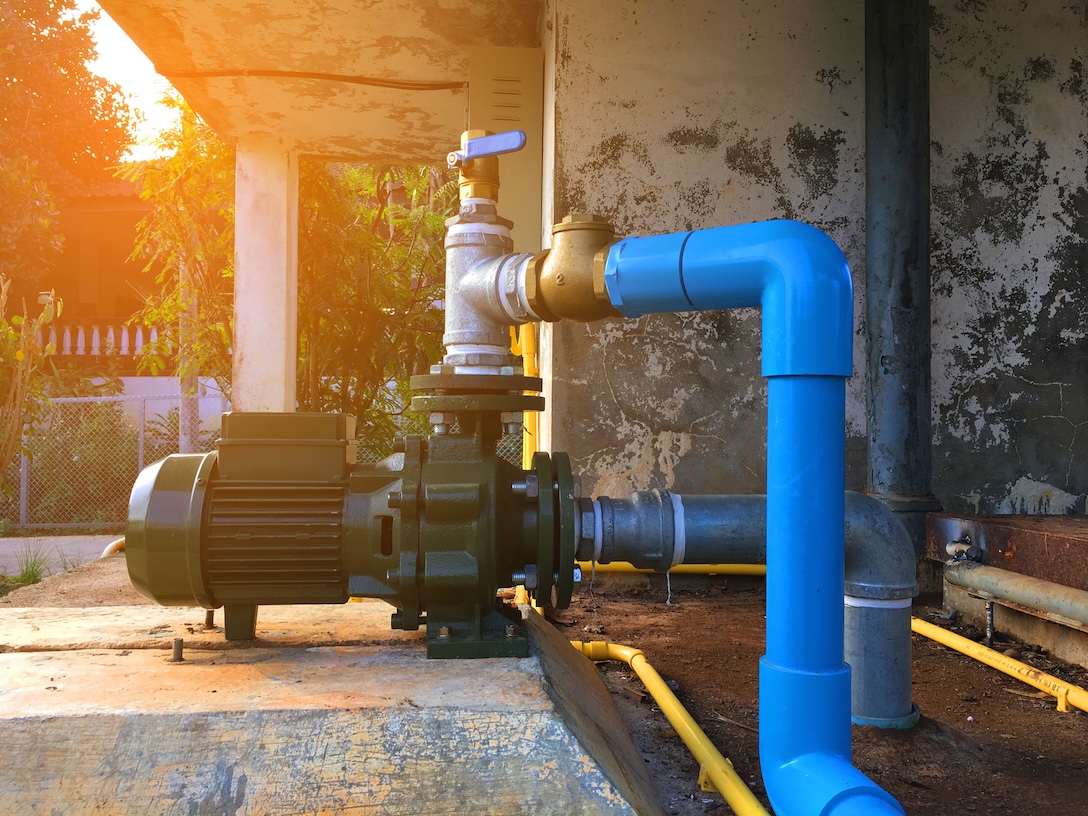
The Rise of Electric Water Pumps
Understanding Electric Water Pumps
Electric water pumps have become a preferred choice due to their energy-efficient and versatile operation. These pumps use electric motors to power impellers or diaphragms, facilitating fluid movement without relying on mechanical engines or fuel. Electric pumps are available in configurations like centrifugal, submersible, and booster pumps, each tailored to specific performance needs.
Applications

Electric water pumps are widely used across residential, agricultural, and industrial applications, owing to their adaptability and efficiency:
- Residential: Centrifugal pumps are common in domestic water supply systems, irrigation, and HVAC systems.
- Agriculture: Submersible electric pumps excel in irrigation, drainage, and groundwater extraction.
- Industrial: Electric pumps are critical in applications such as wastewater treatment, chemical processing, and cooling systems, where consistent and efficient fluid transfer is essential.
By selecting the appropriate type of electric water pump for each application—whether a self-priming pump for environments requiring air evacuation or a standard centrifugal pump for continuous flow needs—users can optimize performance and ensure reliable operation.
The Efficiency of Self-Priming Water Pumps
What Makes Self-Priming Pumps Unique
Self-priming water pumps are designed to automatically remove air from the suction line, enabling them to start pumping water without manual priming. This feature is particularly beneficial when the pump is located above the water source or where air may enter the system intermittently. Self-priming pumps utilize recirculation valves or built-in evacuation chambers to expel air and create a vacuum, allowing for quick and efficient priming. This makes them ideal for applications where frequent starts and stops are required or where access to the pump may be limited.
Additionally, self-priming pumps are more resistant to dry running, as they can re-prime themselves automatically after a temporary loss of prime. This improves system reliability and reduces the risk of pump damage due to cavitation or overheating.
How to Choose the Right Electric Pumps?
Application and Comparative Analysis Table
| Type | Self-Priming Pump | Centrifugal Pump | Submersible Pump |
| Installation Location | Ground | Ground, immersible | Inside the liquid |
| Starting Method | Self-priming | Requires priming | No priming required |
| Advantages | Strong air expulsion capability, suitable for high water volume needs | Quiet operation, high efficiency, versatile structural designs based on lift and water volume requirements, suitable for fluids with low viscosity | Direct placement in liquid eliminates the need for pipeline setup, simplifies installation, capable of handling deep water levels (e.g., well water extraction), widely used for drainage applications |
| Disadvantages | Not suitable for long-distance transportation, bulky, high energy consumption | Poor air expulsion, prone to cavitation | Maintenance is inconvenient, as the pump must be removed from the liquid for inspection or servicing; prolonged operation may cause damage to seals or the motor due to corrosive or impure liquids |
| Application Scenarios | Irrigation, drainage | Building and industrial liquid transportation | Well water extraction, wastewater treatment |
Note: The suitability of pumps for chemical processing depends heavily on the pH level and corrosiveness of the fluid, as well as the materials used in the pump’s internal structure. Not all pumps are designed to handle corrosive chemical liquids. It is crucial to verify material compatibility and consult with a specialist to ensure the pump meets the specific requirements of the application.
Analyzing Use Case Scenarios
Selecting the right pump type depends on various factors, including the specific application, operating conditions, and performance requirements. For example, a self-priming pump may be the preferred choice in applications where intermittent operation or self-priming capability is critical. Conversely, an electric pump may offer the best solution when energy efficiency and precise control are paramount.
Expert Recommendations
Seeking expert advice from qualified professionals can help streamline the pump selection process. Factors such as life cycle cost analysis, system compatibility, and long-term reliability should be carefully considered. Additionally, conducting pilot tests or simulations can provide valuable insights into pump performance under real-world conditions, aiding decision-making.
Environmental Considerations and Sustainable Solutions
In today’s environmentally conscious world, sustainability is a key consideration in pump selection. Electric pumps offer inherent energy efficiency benefits, reducing carbon emissions and environmental impact. Embracing sustainable pump technologies reduces operating costs, helps mitigate environmental risks, and promotes responsible resource management.
Conclusion
In conclusion, electric water pumps are a cornerstone of modern fluid transfer technology, offering unmatched energy efficiency, reliability, and versatility. Their adaptability across residential, agricultural, and industrial applications makes them an ideal choice for optimizing system performance while minimizing environmental impact.
By investing in electric pumps, users can benefit from reduced energy costs, simplified maintenance, and enhanced operational control. Whether it’s powering a residential water supply, supporting agricultural irrigation, or driving industrial processes, electric pumps deliver solutions that align with efficiency and sustainability goals.
For expert advice on selecting the right electric pump for your needs or to explore our range of sustainable pumping solutions, visit our contact page. Our team is ready to assist you in achieving efficient, reliable, and eco-friendly operations.