

 Water pumps play a critical role in ensuring seamless water management across residential, agricultural, and industrial sectors. From maintaining household water supply systems to powering large-scale irrigation and industrial cooling operations, these devices underpin essential activities that drive daily life and economic productivity.
However, water pump performance is not without challenges. Common issues such as priming failures, cavitation, and clogged filters can disrupt operations, reduce efficiency, and even lead to equipment damage if left unaddressed. Understanding these problems, their causes, and effective troubleshooting techniques is vital for ensuring reliability and extending the lifespan of water pump systems.
In this article, we’ll explore the most frequent water pump issues, their symptoms, and practical solutions tailored to different pump types. Additionally, we’ll discuss preventative maintenance strategies and sustainable practices, such as upgrading to high-efficiency models or incorporating renewable energy solutions, to optimize performance and minimize environmental impact. Whether for residential convenience, agricultural efficiency, or industrial reliability, proactive water pump management is key to long-term success.
Identifying Your Water Pump Issue
Symptoms and Diagnostics
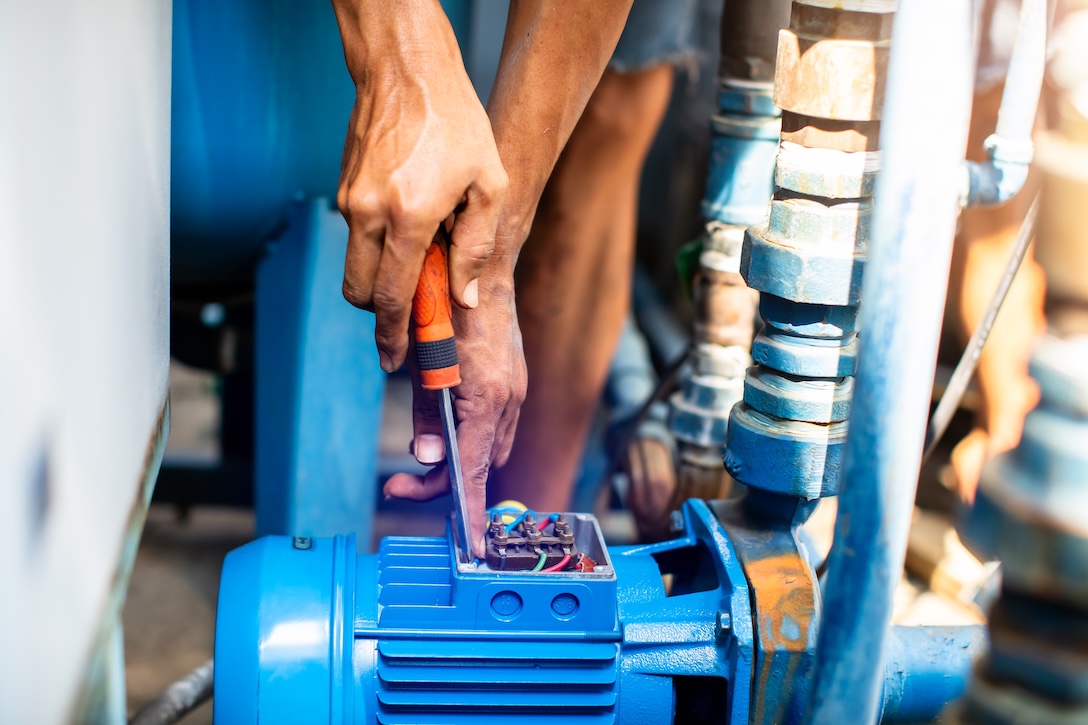 Recognizing the signs of water pump problems is the first step toward resolution. Reduced water pressure, strange noises emanating from the pump, or failure to start are all indicators that something may be amiss. Conducting a systematic diagnosis can help pinpoint the root cause of the issue.
 Electrical problems, such as faulty wiring or a blown fuse, can be distinguished from mechanical issues like worn-out bearings or a damaged impeller. By isolating the problem, users can streamline the troubleshooting process and implement targeted solutions.
Not Priming – A Frequent Culprit
One common issue encountered by water pump users is priming failure. Priming is essential for establishing the necessary suction and pressure within the pump to initiate water flow. When a pump fails to prime, it can lead to inefficiencies, reduced performance, and potential damage to the system.
Causes of priming failure range from air leaks in the suction line to insufficient water in the pump chamber. Conducting a thorough inspection to identify and address these issues is crucial for restoring proper pump function.
Solutions to Common Problems
Resolving Priming Issues
Effectively priming a water pump is essential for optimal performance. Depending on the type of pump, various methods can be employed to facilitate priming. For centrifugal pumps, manual priming or utilizing priming plugs may be necessary to expel air and establish water flow.
Submersible pumps require submersion in water to eliminate air pockets and initiate pumping action. Providing detailed instructions on priming techniques tailored to different pump types can empower users to troubleshoot priming issues effectively.
Overcoming Operational Challenges
In addition to priming problems, water pumps may encounter various operational challenges during their lifespan. Clogged filters, caused by debris or sediment buildup, can restrict water flow and impede pump performance.
Air locks, resulting from trapped air in the system, can disrupt suction and prevent proper priming. Faulty seals or gaskets may lead to leaks, reducing the pump’s efficiency and potentially causing water damage.
Offering practical guidance on identifying and addressing these operational challenges can help users maintain the reliability and longevity of their water pumps.
Maintenance Tips
Preventative maintenance is key to prolonging the life of water pumps and minimizing the risk of unexpected failures. Establishing a regular maintenance schedule that includes routine inspections, cleaning filters, lubricating moving parts, and replacing worn components can significantly extend the lifespan of water pump systems.
Emphasizing the importance of proactive maintenance and providing actionable tips for keeping pumps in optimal condition can empower users to take control of their equipment’s longevity and performance.
Advanced Troubleshooting Techniques
Different types of water pumps come with their challenges and maintenance requirements. Centrifugal pumps, commonly used in residential and industrial applications, rely on rotating impellers to generate centrifugal force and move water.
However, these pumps are susceptible to cavitation, which occurs when vapor bubbles form in the pump due to low pressure, leading to decreased efficiency and potential damage to the impeller.
Addressing cavitation requires adjusting pump speed or modifying the system to increase suction pressure, highlighting the importance of understanding the specific challenges associated with each pump type.
In contrast, positive displacement pumps, including diaphragm and piston pumps, operate by trapping and displacing water through a series of chambers or compartments.
While these pumps offer precise control and are suitable for high-pressure applications, they require careful monitoring to prevent seal wear, valve failure, or piston damage.
Regular inspection and maintenance of seals, valves, and pistons are essential to ensure the reliable performance of positive displacement pumps and prevent costly repairs.
Environmental Considerations and Sustainable Solutions
In today’s increasingly eco-conscious world, there is growing emphasis on adopting sustainable practices and minimizing environmental impact. Water pumps consume significant energy, making energy efficiency a top priority for many users.
Upgrading to high-efficiency pumps, implementing variable frequency drives (VFDs), or optimizing system design can help reduce energy consumption and operating costs while minimizing carbon footprint.
Furthermore, exploring alternative energy sources such as solar or wind power for pump operation can offer renewable and environmentally friendly solutions. Solar-powered water pumping systems can benefit off-grid or remote locations, providing access to clean water without relying on traditional energy sources. Embracing sustainable technologies and practices conserves resources and ensures the long-term viability of water pump operations in a changing climate.
When to Seek Professional Help
Recognizing Complex Issues
While many water pump problems can be resolved through DIY troubleshooting, some may require professional intervention. Persistent operational failures, significant efficiency losses, or complex technical issues may exceed the capabilities of the average user. In such cases, seeking the expertise of trained professionals is advisable to ensure the timely resolution of problems and prevent further damage to the system.
Benefits of Expert Intervention
Highlighting the benefits of professional assistance, including specialized knowledge, access to tools and resources, and the assurance of quality service. Professional technicians have the expertise and experience to efficiently diagnose and repair complex water pump issues, minimizing downtime and maximizing system performance.
Emphasizing the value of investing in professional services for critical equipment maintenance reinforces the importance of proactive care and responsible stewardship of water pump systems.
Conclusion
In conclusion, troubleshooting common water pump problems requires a comprehensive understanding of pump types, operational challenges, and maintenance best practices. By familiarizing themselves with the symptoms of pump issues, users can identify problems early and implement effective solutions to restore optimal performance.
Leveraging advanced troubleshooting techniques, predictive maintenance strategies, and sustainable solutions can enhance water pump systems’ reliability, efficiency, and environmental sustainability.
With proactive maintenance, responsible stewardship, and a commitment to innovation, users can ensure the continued functionality and reliability of their water pumping systems for generations.
Let us embrace the challenges of troubleshooting water pump problems as opportunities for learning, improvement, and sustainable progress in the quest for efficient water management and conservation.
If you encounter persistent issues or require expert advice, don’t hesitate to contact our team. Visit our contact page to connect with our experienced technicians who can provide you with the support and solutions you need to maintain and enhance your pump systems effectively.