

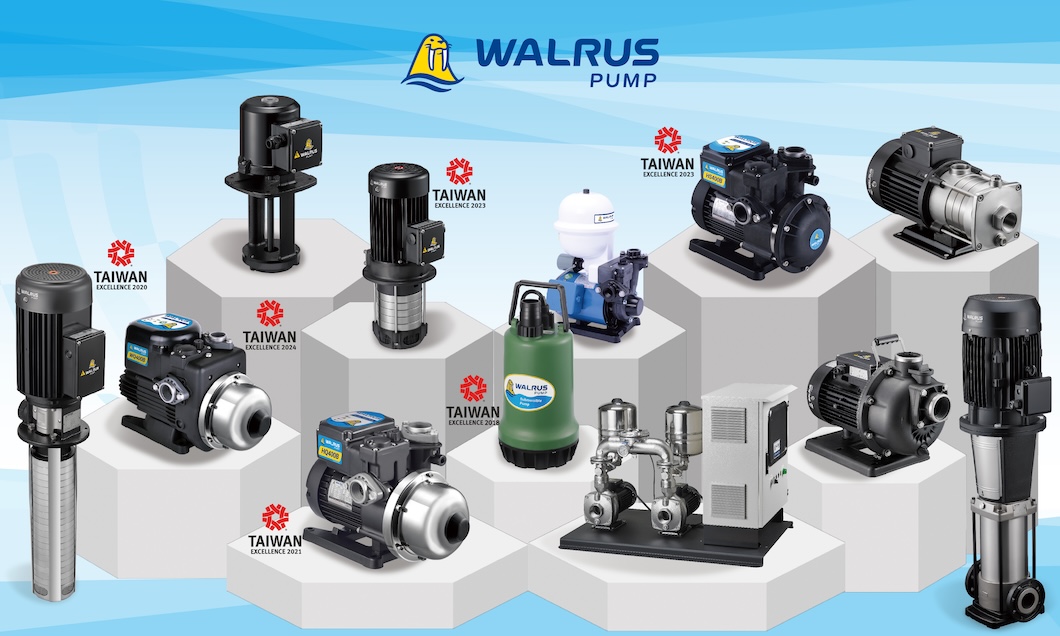
Water pumps stand as indispensable assets across various industries, facilitating essential processes from water supply to waste management. In this article, we delve into the fundamental aspects of water pumps, exploring their types, operational principles, diverse applications, and critical considerations for selecting the right pump for specific needs.
Understanding Pump Types and Categories
Overview of Major Categories
Water pumps are broadly categorized into two main types: Positive Displacement Pumps and Dynamic Pumps. Positive Displacement Pumps operate by trapping a fixed volume of fluid and forcing it into the discharge pipe, while Dynamic Pumps utilize kinetic energy to move water. Within these categories lie various subtypes, each with its unique operational principles, advantages, and applications.
Deep Dive into Dynamic Pumps
Dynamic pumps are essential in many applications due to their ability to efficiently move fluids using kinetic energy. Understanding the differences between centrifugal, axial flow, and mixed flow pumps is crucial for selecting the right pump for specific needs.
- Centrifugal Pumps: Centrifugal pumps harness rotational energy to impart velocity to the fluid, which is then converted into pressure as it exits the pump. These pumps are widely utilized in applications requiring high flow rates and moderate to high head pressures, such as water circulation in HVAC systems, agricultural irrigation, and municipal water supply. Their versatility and robust performance make them a popular choice across various industries.
- Axial Flow Pumps: Axial flow pumps, on the other hand, are designed for applications requiring high flow rates and low head pressures. They operate by propelling fluid along the axis of the pump, similar to how a propeller moves water. This design makes them ideal for situations like flood control, water treatment, and large-scale irrigation, where moving large volumes of water with minimal pressure increase is necessary.
- Mixed Flow Pumps: Mixed flow pumps combine elements of both centrifugal and axial flow designs. They offer a balanced performance by providing moderate flow rates and head pressures, making them suitable for applications that require a compromise between the two extremes. These pumps are often used in applications such as cooling water systems, drainage, and specific agricultural uses where a balanced approach to flow and pressure is needed.
Exploring Positive Displacement Pumps
Positive Displacement Pumps function by trapping a specific volume of fluid within a chamber and displacing it into the discharge line with each stroke or rotation. These pumps excel in environments requiring high pressure, and can handle high-viscosity or particulate-laden fluids They also offer precise control over flow rates and are commonly used in applications where accurate metering and dosing are critical, such as chemical processing, pharmaceutical manufacturing, and food production.
Examples of positive displacement pumps include diaphragm pumps, piston pumps, gear pumps, peristaltic pumps, and screw pumps, each suited to different fluid types and operational requirements.Classifying Water Pumps by Features and Applications
Introduction to Common Pump Types
Submersible pumps, jet pumps, and centrifugal pumps are among the most common types of water pumps used across various industries. Submersible pumps are designed to operate while submerged in the fluid they are pumping, making them suitable for deep wells, sump pits, and wastewater treatment applications. Centrifugal pumps use rotational energy to move fluids and are versatile for many applications.
Jet pumps, effective in drawing water from shallow wells, are commonly used in residential water supply systems, small farm irrigation, garden watering, and boosting municipal water pressure. They feature a simple structure without internal moving parts, making them broadly applicable and easy to install. However, jet pumps tend to have lower operational efficiency and higher noise levels compared to other pump types.
Centrifugal pumps, renowned for their versatility and robust performance, are capable of handling a wide range of flow rates and pressures. Their adaptability makes them suitable for various applications, including water supply, wastewater treatment, agricultural irrigation, and industrial processes. Beyond these, centrifugal pumps are frequently used in everyday settings such as building plumbing systems, shopping mall water features, and car wash machines. Their widespread use in these common areas highlights their reliability and importance in daily life, ensuring efficient water movement and management in numerous environments. Another notable advantage of centrifugal pumps is their quiet operation, which is particularly beneficial in environments like hospitals and residential areas, where minimizing noise is crucial.
Categorization by Liquid Types
Water pumps are further classified based on the type of liquid they handle, with each category designed to meet specific fluid handling requirements and environmental conditions. Clean water pumps are engineered to handle clear water or water with minor impurities and solid particles. They are utilized in residential, commercial, and industrial applications where the fluid is free of significant contaminants, such as potable water distribution, HVAC circulation, and water features in landscaping.
Sewage pumps are designed to handle wastewater and solids, making them essential for sewage systems, wastewater treatment plants, and industrial processes involving effluent management. Chemical and oil pumps are engineered with materials resistant to corrosive and abrasive fluids, ensuring safe and reliable operation in hazardous environments such as chemical processing plants, oil refineries, and petrochemical facilities.
Industry-Specific Pump Applications
Water pumps play pivotal roles across diverse industries, providing essential support for various processes and operations:
- In construction, pumps are essential for providing a stable water supply, handling drainage, dewatering excavations, and managing groundwater levels during projects. Additionally, pumps are used to supply water for various construction processes and maintain proper water levels in different areas of the site.
- Agriculture and fishing industries rely on pumps for irrigation, aquaculture, fish farming, and water transfer in irrigation systems, fishponds, and hatcheries.
- Manufacturing facilities utilize pumps in production processes and cooling systems to ensure efficient operation and regulatory compliance.
- In the electricity and new energy sectors, pumps are crucial for managing cooling and heat dissipation in electric vehicle charging stations and other renewable energy applications, including hydroelectric, geothermal, and solar water heating systems.
- Entertainment and leisure industries utilize pumps in water parks, pools, and recreational facilities for water circulation, filtration, and fountain displays, enhancing visitor experience and safety.
- Accommodation and food service establishments integrate pumps into heating, cooling, and plumbing systems to ensure guest comfort, food safety, and regulatory compliance. Pumps are essential for consistent water delivery in various applications, including hygiene facilities and water purification systems.
- Wholesale and retail sectors utilize pumps for commercial heating, cooling, and water supply in buildings, warehouses, and retail spaces, ensuring optimal working conditions and customer satisfaction.
- Municipal services rely on pumps for water supply, wastewater treatment, and pollution control in urban environments, supporting public health, sanitation, and environmental sustainability initiatives.
- Service industries, including car washes and pressure washing facilities, utilize pumps for high-pressure cleaning operations, vehicle maintenance, and equipment sanitation, ensuring efficient operation and customer satisfaction.
Key Considerations for Pump Selection
In conclusion, selecting the appropriate pump is critical for enhancing operational efficiency, reliability, and sustainability across various industries. Successful pump selection requires a detailed evaluation of essential factors such as flow rate, head pressure, fluid properties, system demands, and environmental conditions. It is also important to consider ongoing maintenance, energy efficiency, and lifecycle costs to ensure long-term operational viability. Understanding the different types of pumps, their mechanisms, and their specific uses allows businesses to align their choices with the unique requirements of each application. For expert advice and tailored solutions that meet your specific needs, please contact our team at Walrus Pump through our contact page.